
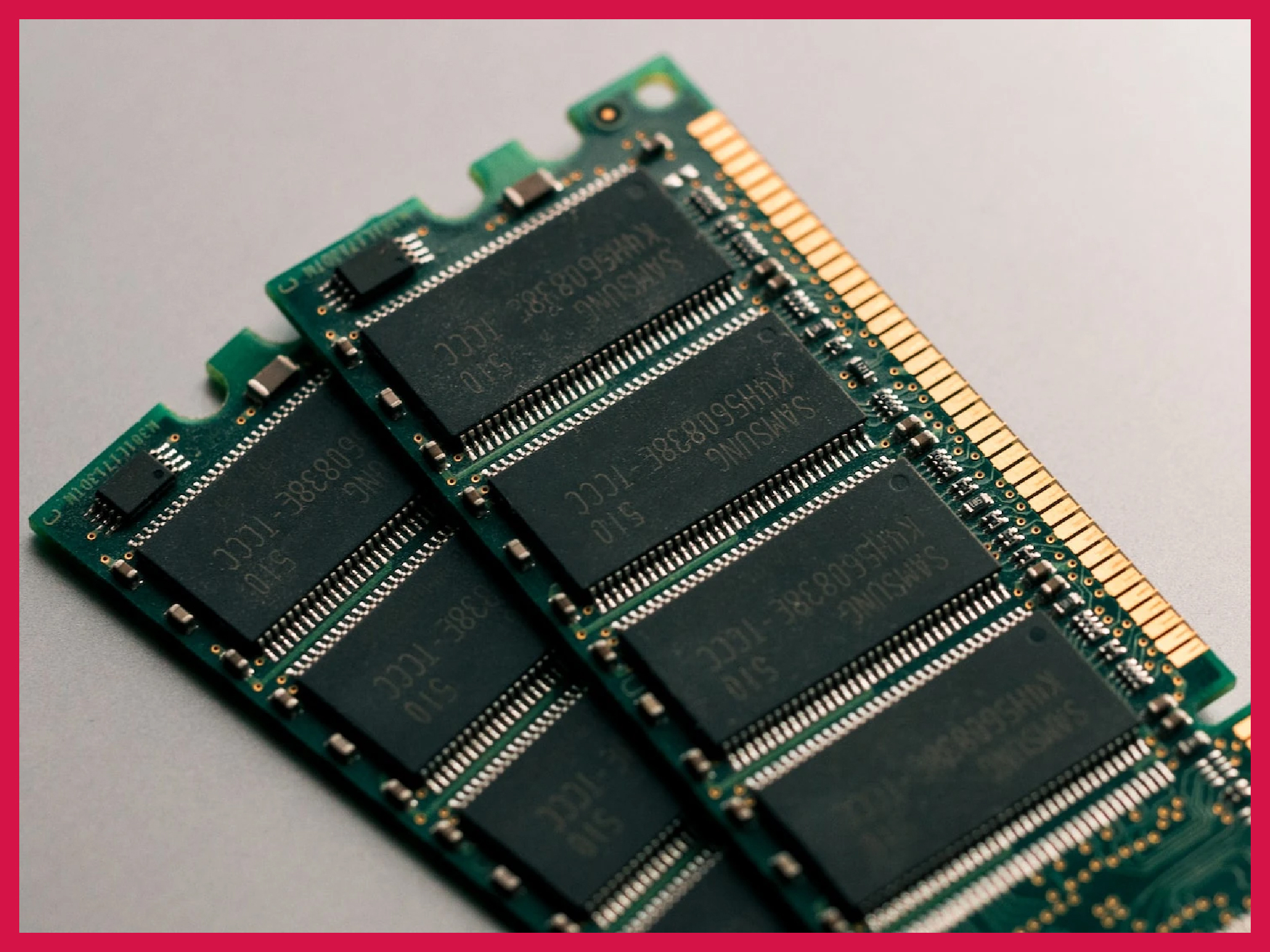
RAM used to be the easy upgrade. Your game stuttered, your browser had 47 tabs open, Discord was busy eating system resources like a raccoon in a trash can, and the fix was simple: buy more memory, move on with your life.
That deal is dead.
In 2026, RAM is no longer priced like a PC part. It is priced like a hostage situation. And the industry did not stumble into this mess. It knowingly marched into it because AI servers are worth more than gamers, builders, and everyday PC users.
The companies making the world’s memory are not chasing your Steam backlog anymore. They are chasing fat hyperscaler contracts, absurd HBM margins, and the kind of corporate greed that gets dressed up as “market prioritization” in earnings calls. Robbery with a cleaner tie if you ask me.
The $400 Stick of RAM
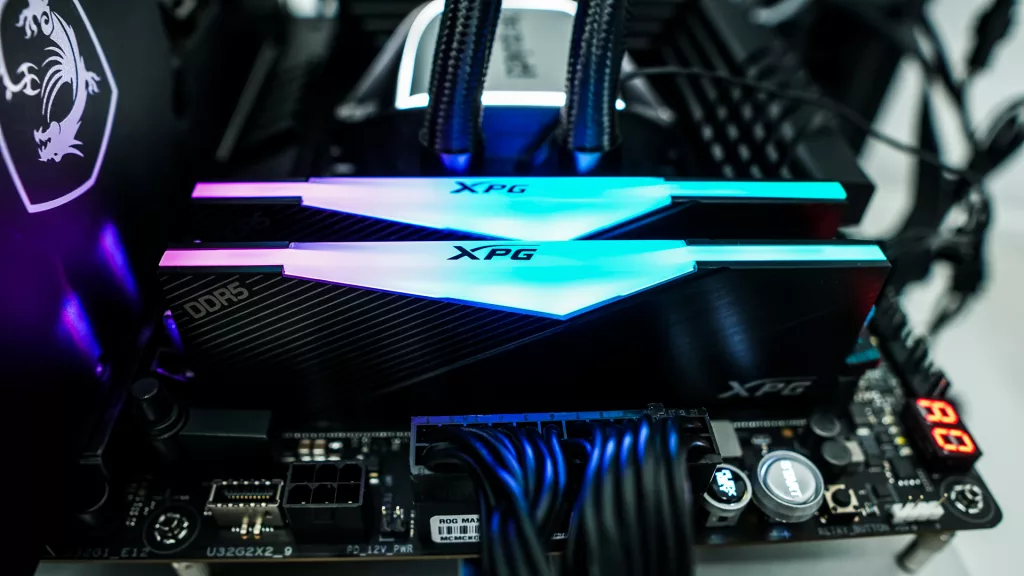
Remember when adding RAM was the cheap fix? Yeah. Bury that memory next to your affordable GPU dreams.
Retail DDR5 pricing in the US has gone feral. Newegg’s own market summary said a 32GB DDR5-6000 kit that sold for about $80 in mid-2025 hit roughly $432 by early 2026. TechRadar also noted that even bargain-bin 32GB DDR5 kits in the US had climbed past $360 this month.
And no, this is not just some premium RGB clown kit for people who think extra LEDs add frame rate (a lot of them do, or maybe I just don’t understand sarcasm on Discord servers). Tom’s Hardware’s 2026 RAM tracking showed that even plain 32GB DDR4 kits that used to sit in the $60 to $90 range in October 2025 had jumped to roughly $150 to $180 by January 2026.
That is the part people need to get through their skulls: this is not just a price hike. It is a larger pattern that more of us should be aware of—more of us should be calling companies out on this.
The whole gaming tech industry is telling gamers exactly where they rank now, and the answer is somewhere below AI clusters, cloud contracts, and whatever monster rack OpenAI, Microsoft, Google, or Meta is filling this quarter. Micron flat-out told investors that tight supply and AI demand are driving record results, while Samsung and SK Hynix are pouring capital into AI memory and HBM. The whole Crucial line has shut down!
The “RAMmageddon” of 2026 is Not an Accident
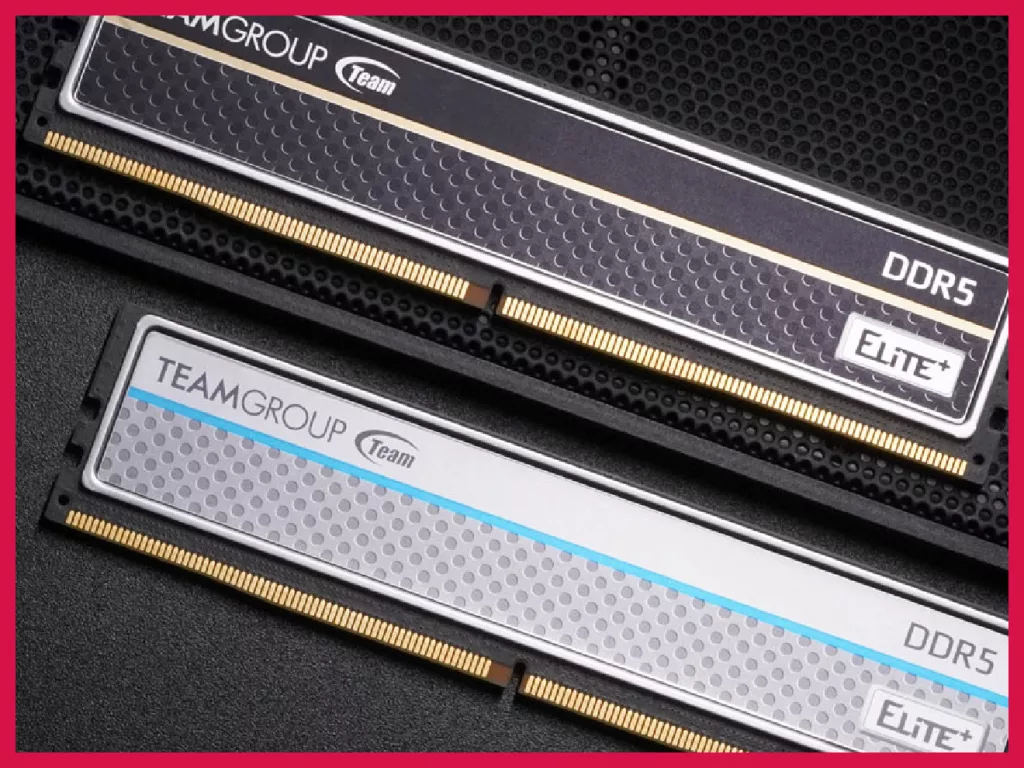
Let us stop using soft language. Memory prices have exploded because the people who control memory supply decided that AI money matters more than the consumer market. TrendForce said conventional DRAM contract prices for 1Q26 were revised up to a staggering 90% to 95% quarter over quarter. Tom’s Hardware, citing IDC, reported memory shortages are severe enough to slash 2026 PC shipment forecasts, while MSI says 16GB modules that cost around $40 a year ago are now running $170 to $200.
And while consumers get fleeced, the Big Three are doing just fine. Better than fine, actually. SK hynix posted record 2025 revenue of 97.1 trillion won and operating profit of 47.2 trillion won, driven by AI memory and HBM. Samsung reported Q4 2025 revenue of 93.8 trillion won and operating profit of 20.1 trillion won, with its chip division boosted by AI demand. Micron just posted quarterly revenue of $23.86 billion, nearly triple year over year, with gross margin doubling to 75%, and it guided for an even fatter 81% gross margin next quarter. All these suppliers are rolling in the crash. More people building PCs are getting concerned each passing month. More people are joining the soft-resistance, hoping for an accelerated timeline on this AI bubble’s final burst. The burst itself, if it happens (I am not an expert on AI matters) will carry its own share of problems—not least of which would be economic slowdown.
So, people still keep talking as if manufacturers cannot make enough RAM. That is not the real story. They can make memory. They are choosing to aim more of their best capacity, capital, and packaging at HBM and AI infrastructure because that is where the obscene margins live. Reuters reported Micron, Samsung, and SK hynix are the three key HBM suppliers for AI systems, while SK’s chairman warned the industry’s HBM push is squeezing conventional DRAM and helping keep shortages alive. Gamers are not being abandoned because the factory broke … we are being abandoned because AI pays better.
That is why 2026 feels different from the pandemic years. Back then, companies could at least hide behind chaos. Shipping was wrecked. Demand was weird. Nobody knew what the next six months looked like. In 2026, the mask is off. This is deliberate capital allocation. Deliberate supply triage. Deliberate neglect of the consumer PC space while executives cash in on the AI gold rush and act shocked that gamers are furious.
They should be furious. Because this is not RAM getting expensive. It is the consumer PC market being told, very clearly, to get to the back of the line. And who helped build their empires? Is asking for loyalty back, for the loyalty we have already given, too much? Who purchased the boatloads of RAM sticks when AI was not here? We put the food on the table for these stakeholders and now they abandon us. I used to think there was a big difference between governments and large corporations, guess not.
You’re Being Evicted from the Factory
Why would Samsung, SK hynix, or Micron burn precious wafer space on your 32GB gaming kit when AI buyers are standing outside the door with blank checks? That is the whole game now. Memory makers found richer customers and are going all in, leaving us in the dust in their cash grab.
Reuters reported in January that manufacturers were diverting capacity toward HBM for AI servers, squeezing supply for everything else from smartphones to consumer memory. By January 23, Reuters was already saying the world’s AI build-out had absorbed so much memory supply that manufacturers were prioritizing higher-margin data-center parts over consumer devices.
And the wafer math makes it worse. Much worse. TrendForce reported that 1GB of HBM consumes 4x the capacity of standard DRAM. That is the part people miss. AI does not just buy more memory. It burns through manufacturing capacity in a way your gaming rig never could. TrendForce also said AI-equivalent demand could eat nearly 20% of global DRAM wafer capacity in 2026, while total DRAM capacity growth remains limited. So yes, every new AI server does not literally cancel one gamer’s build, but it absolutely helps shove consumer DDR5 further down the line. Factories have their same finite capacity for different customers now.
Then you get the usual “sold out” theater, and people act like this happened by magic. No. Reuters reported that SK hynix said all of its chips were sold out for 2026, while Samsung had already locked in customers for next year’s HBM output. At the same time, conventional-chip fabs were not expected to come online until 2027 or 2028. TrendForce also reported that major memory makers were preparing to exit DDR4 in 2026 and continuing to redirect advanced nodes and new capacity toward server and HBM products, tightening supply elsewhere. Corporate deodorant! There is no scarcity.
Wait, Haven’t We Seen This Script Before?
Yes. The cartel has a track record, so to speak. And that is why nobody should be giving these companies the benefit of the doubt.
The DRAM business does not exactly have a clean moral record, in case you were not aware. Reuters reported that EU regulators fined memory makers a combined 331 million euros over an illegal DRAM cartel that ran from July 1998 to June 2002. Samsung got the biggest penalty. Hynix got hit too. Micron avoided a fine because it blew the whistle. So when people say, “Surely the market is just sorting itself out,” forgive me for not lighting a candle for their innocence. This industry has already been caught with its hand in the cash drawer.
And then came the 2017 mess, or at least the part that looked enough like a mess to drag regulators and lawyers out of bed again. In 2018, China launched a probe into Samsung, SK hynix, and Micron over price-fixing allegations, and the three companies were also hit with a U.S. consumer class action lawsuit alleging they conspired to inflate DRAM prices. Important distinction here: those were allegations and probes, not the same thing as a final guilt ruling. Still, when the same three names keep showing up every time DRAM prices go berserk, you would have to be aggressively naive to call it a coincidence and move on.
That is why I hate corporate phrases like “stabilizing the market” so much. In memory-land, “stability” usually means supply discipline. “Discipline” means not flooding the market. And “not flooding the market” is executive dialect for “we would rather keep prices high than let normal people buy affordable parts again.” TrendForce’s 2026 reporting already points to suppliers holding back, redirecting capacity, and tightening legacy DRAM supply as server and HBM demand stays hotter than your 4K gaming rig’s exhaust fans when running Crysis.
And remember—for these companies swimming in AI-era profits, a giant antitrust penalty is just paperwork. It hardly hurts them. Yes, they would rather avoid it. But it does not hurt them. It does not even teach them a moral lesson!
The Death of the Budget Build
HP said the quiet part out loud in February: memory costs are now a serious enough problem that the company expects volatility to last into next year, and Reuters reported HP is dealing with higher costs because AI data-center buildouts are sucking up memory-chip capacity. Separate coverage of HP’s earnings said memory now accounts for 35% of the cost of materials in a PC, up from roughly 15% to 18% before. That is insane.
And this is precisely how the budget build dies … with math. If 16GB or 32GB memory kits are no longer cheap, then the classic “good enough” gaming PC gets kneecapped before the GPU even enters the room. IDC’s 2026 outlook, as reported by Tom’s Hardware, slashed PC shipment forecasts because of memory shortages and rising component costs, while Gartner said soaring memory and SSD prices would push PC prices up 17% in 2026 and concentrate demand on premium machines.
This squeeze does not stop at desktops, of course. Rising memory costs hit smartphones too, especially low- and mid-range devices, with manufacturers facing pressure to raise prices as AI infrastructure soaked up supply. Samsung’s phone business could not order RAM from Samsung’s RAM business.
The global smartphone market is headed for one of its worst declines because surging memory prices are driving up device costs. Side note: It was found, naturally, that Apple was better positioned than many Android rivals to absorb the hit. That tells you exactly how this goes: rich brands cope, budget buyers suffer, and everyone else gets fewer upgrades for more money.
Budget PCs are where new players enter. They are where kids start. They are where people learn to build, mod, fix, and care about hardware in the first place. Kill the affordable build, and you do not just make gaming pricier. You make the whole PC space smaller, meaner, and more elitist.
Which, to be blunt, seems to be a trade the industry is perfectly happy to make.
“No Relief Until 2030”
Now we get to the part where the industry tries to turn your exhaustion into compliance.
SK Group chairman Chey Tae-won said recently that the global chip-wafer shortage could last until 2030, blaming AI demand, HBM production, and a wafer shortfall of more than 20%. He also said building more wafer capacity takes four to five years. That part is real enough. Fabs do not appear overnight. But let us not pretend the “2030” line is some neutral force of nature handed down from the mountain. It is also a message. A very convenient one. Pay today’s absurd prices, and feel grateful they are not even worse.
That is how manufactured despair works. You tell the market there is no relief in sight, you keep supply tight, and suddenly a terrible deal starts looking “normal.”
IDC already says memory shortages will persist well into 2027, with only some easing expected in 2028, and it does not expect the market to return to 2025 pricing. Gartner is even blunter: it expects a 130% surge in combined DRAM and SSD prices by the end of 2026, with PC prices up 17% and smartphone prices up 13%. So yes, there are real physical bottlenecks here. But there is also a lovely little psychological bonus for suppliers: once buyers believe pain is permanent, resistance gets weaker.
And when memory stays expensive, software ambition gets punished too. Developers build for the installed base. Publishers fund projects that can actually sell. If the average gaming PC or laptop is stuck on less memory for longer, studios have every incentive to be conservative with world simulation, asset density, background systems, and all the messy little things that make games feel alive instead of assembled. Gartner already says rising memory costs will slow AI PC adoption through 2027 and push the market away from cheaper devices. That same logic drags on games too. Hardware hoarding for AI actively narrows what developers can reasonably expect players to own later.
Can Anything Be Done?
The memory industry used to be a supplier and now it acts like a gatekeeper. Samsung, SK hynix, and Micron are no longer just selling components into a market. They are deciding which market deserves the good stuff. AI data centers get priority. Everyone else gets leftovers, excuses, and a retail page that looks like it has been mugged. Reuters, IDC, Gartner, HP, TrendForce—they are all describing the same pattern from different angles: capacity is being steered toward higher-margin AI memory, consumer devices are getting squeezed, and higher prices are becoming structural rather than temporary.
That means the answer is not some heroic individual boycott that fixes the DRAM market by Tuesday. Let us be serious. But gamers can still stop playing the role of willing victim.
- Do not reward insult pricing unless you absolutely have to. Stretch your current rig longer. Buy used when it makes sense. Watch local markets, refurbished sellers, and trusted secondhand listings like a hawk. Do not get robbed! Gartner and IDC both expect longer upgrade cycles anyway, so being patient is not exactly irrational.
- Stop accepting the fairy tale that this is just weather. The industry has a cartel-stained track record, a clear profit motive, and a public strategy of prioritizing AI memory where margins are obscene. That does not automatically prove every present-day shortage is illegal collusion. It does mean regulators should be looking very hard at how wafer capacity, DRAM output, and pricing behavior are being managed while the same three giants sit on the throne. When a market this concentrated starts telling ordinary buyers to get lost for four years, somebody should probably ask harder questions than “have you tried stabilizing prices harder?”
There is an idea we need to protect. The idea that consumer hardware should still belong to consumers. The idea that upgrading a gaming PC by buying more RAM is one of the more fun, rewarding experiences of life that does not upset the wallet all that much.
Right now, memory makers seem to think gamers, students, builders, and normal buyers exist to subsidize the AI gold rush while being thanked with worse products and higher bills. That arrangement deserves contempt, not loyalty.
And until the market remembers who built the PC hobby in the first place, the smartest move is simple: hold the line.